

By Abhai Kaul
Nummer Eins German Shepherds – Virginia | VAGSD.com
A scientific paper published in PNAS (2025) may be a pivotal genomic analysis ever done on the German Shepherd Dog. The researchers sequenced DNA from 120 years of museum specimens: dogs born between 1906 and 1993, and compared them with modern German Shepherds. The study reveals, with scientific precision, where the breed went wrong and what must be corrected if we hope to preserve what Captain Von Stephanitz originally envisioned.
For those of us who have spent a lifetime studying this breed, much of what the paper reports feels both familiar and affirming. But what makes it extraordinary is the clarity with which it identifies the real causes of the decline in genetic health—and, by extension, why the breeding approach at Nummer Eins is intentionally built to counter those trends.
The Study’s Conclusion: The Crisis Didn’t Start at the Beginning, It Started After WWII
Researchers found that genetic diversity in the German Shepherd has plummeted over the last century, but not in the way most people assume.
- Medieval dogs had the highest diversity.
- Early German Shepherds (pre-WWII) still had meaningful genetic breadth.
- Modern GSDs have the lowest heterozygosity and the highest inbreeding of all.
- The steepest decline occurred after WWII, not during breed founding.
In other words:
The breed wasn’t ruined by its origin, it was damaged by how we bred it in the second half of the 20th century.
The loss of genetic diversity coincided with:
- population crashes during the World Wars
- restricted access to German bloodlines during the Cold War
- the heavy overuse of a handful of fashionable sires
- the political split between working and show populations
This is the precise environment the von Nummer-Eins program was designed to resist since its inception in the late 90s.
Popular Sire Syndrome: The Silent Architect of Modern GSD Problems
The study identified four major genetic bottlenecks in GSD history. Not coincidentally, each bottleneck aligns with a famous stud:
- Klodo v. Boxberg
- Axel v. d. Deininghauserheide
- Quanto v. d. Wienerau
- Lance of Fran-Jo (American Showline)
These dogs, influential in their own right, became so widely used that they created breed-wide contractions of diversity, bottlenecks measurable even today in genomic data.
The study concludes that the modern GSD is genetically dominated by these sires, leaving the breed with:
- higher long runs of homozygosity (ROH)
- more recessive disease alleles in homozygous form
- reduced overall resilience
This confirms what ethical breeders have long suspected:
The problem isn’t outcrossing, The problem is narrowing the breed around too few males: A vicious cycle perpetuated by the judges to further justify placements of the select children from the previous years’ “top winning” males to justify those positions.
Nummer-Eins Stance on These Findings
The Nummer Eins breeding program has always been built around three pillars:
- A strong, consistent female family
- Moderate, correct, functional anatomy
- Controlled, thoughtful outcrosses that improve diversity without leaving the breed
The new genomic study not only validates this approach, it makes it necessary.
Let’s break down how our key breedings align with the recommended corrective strategies.
The Ucon Outcross and the T-Litter Nummer Eins
The purpose of the Ucon breeding was simple:
Step outside the narrow post-war sire funnel without stepping outside the German Shepherd Dog.
Ucon was selected for:
- Being True to his familial type and pigment
- strength and temperament
- working capability
- the genetic value of his sire and dam lines
The study shows that dogs like Ucon, who sit partially outside the bottleneck created by the most overused sires, carry higher genetic diversity and help reduce long ROH when paired correctly.
The T-litter Nummer Eins was therefore a strategic move to:
- increase heterozygosity
- reduce genetic redundancy
- reinforce moderate structure
- maintain clear-headed working temperament
This is exactly the kind of corrective breeding action the study implicitly recommends. Tabasco’s children have further illustrated that point in being successful family dogs and avid working dogs that have brought their newbie families into the sport to enjoy a deeper relationship with their dogs to appreciate their genetic potential.
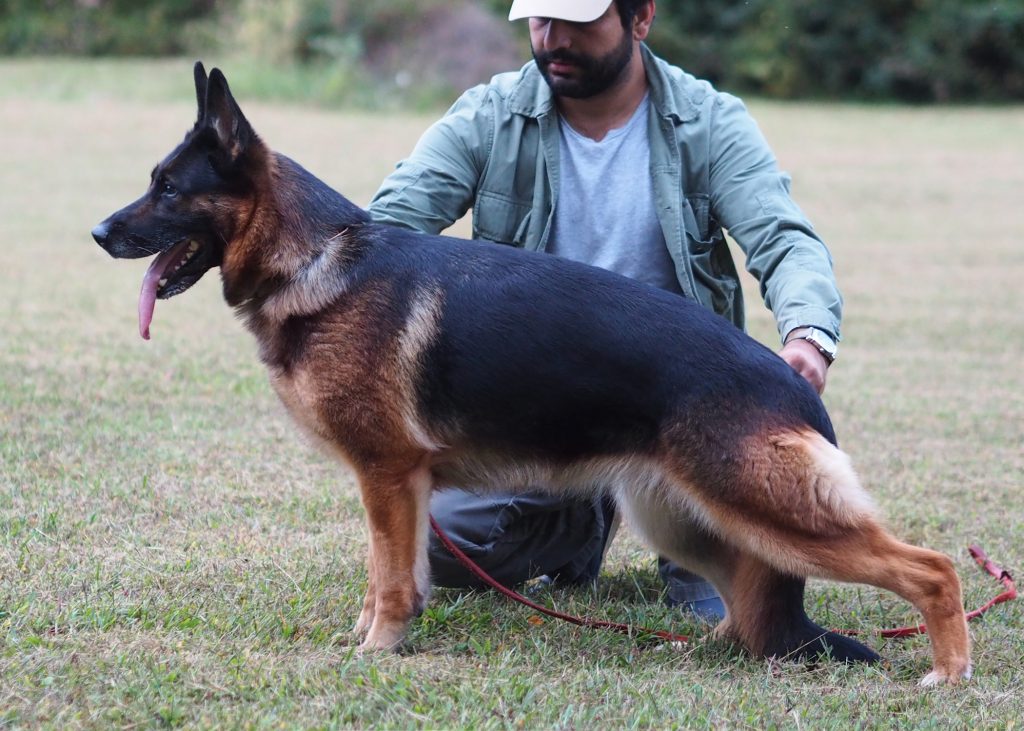
O’Stryder v. Nummer-Eins: A Show Line Dog Who Rewrote Expectations.
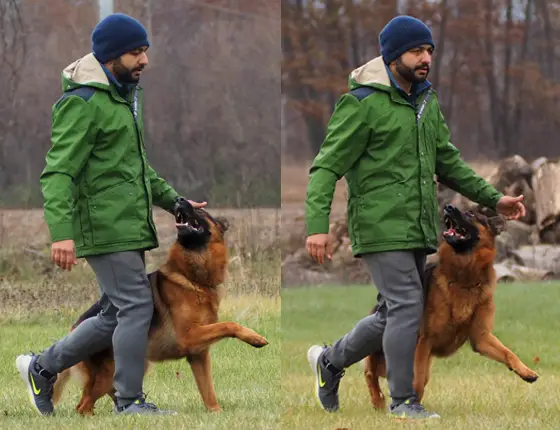
Among the truly impressive dogs carrying the moniker “show line,” O’Stryder v Nummer-Eins stands apart as one of the finest German Shepherds I have ever encountered: on the field and in everyday life. It was an honor not only to breed him, but to share my home and years with him. Stryder embodied the kind of balance the breed often claims but rarely delivers: a highly drivey dog with powerful engagement in protection, yet paired with excellent nerves, a biddable nature, and a resilient, willing mind. His obedience was joyful, his work ethic unwavering, and his clarity in new environments exemplary. None of this was accidental. He inherited these qualities from his mother, Motte v. Suentelstein, a female with authentic working desire and strong genetic depth behind her. Stryder was an illustration of what happens when correct temperament, balanced structure, and true working instinct meet in one dog: a lineage I wish to continue to honor and preserve through his son Quest.
Lupin: A Bridge Between the “Two Breeds” That Should Never Have Been Split
Another major finding from the study is that the separation of show and working lines did not protect the breed’s health. In fact, both subpopulations share:
- the same bottlenecked origins
- the same post-WWII genetic contractions
- the same modern loss of diversity
Lupin represents the core belief of Nummer Eins:
There is only one German Shepherd Dog, and it must be able to look and work like one.
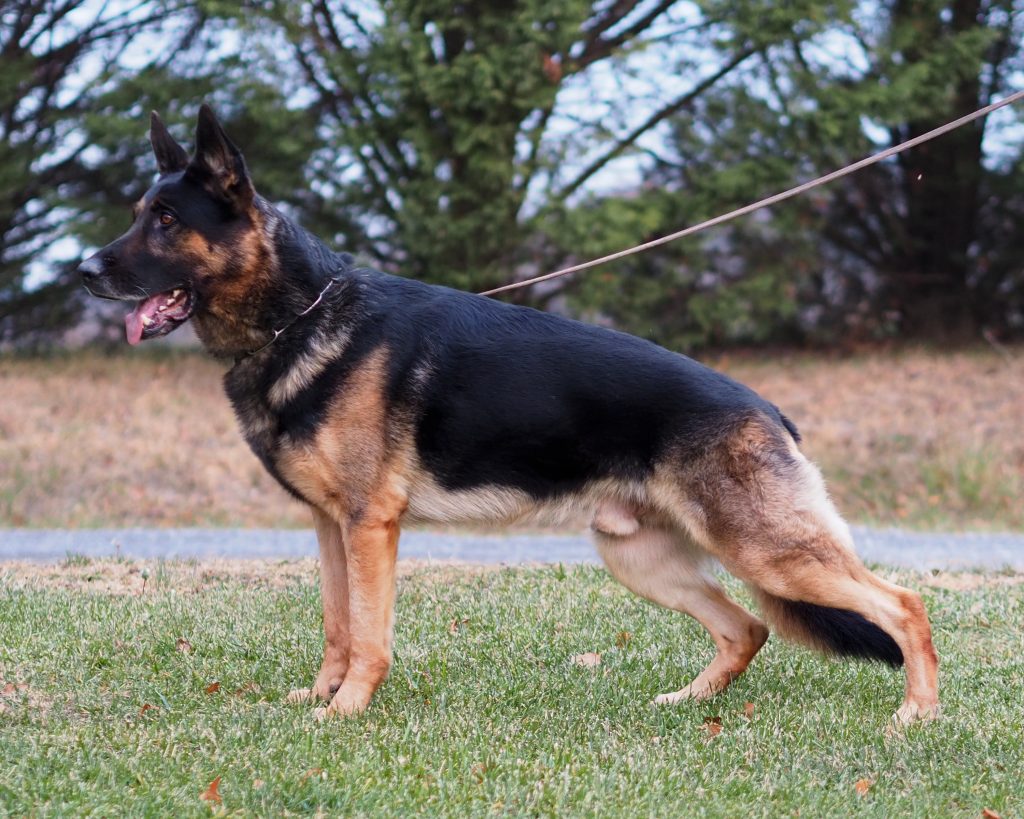
Lupin’s pedigree carries:
- stable working drives
- correct temperament
- moderate, functional structure
- diversity not commonly seen in either extreme camp
Using Lupin allowed us to reconnect genetic islands, elevating the virtues of both while avoiding their excesses.
Atlas v. Nummer-Eins: Biddability, Agility, and the Strength of a Maternal Line
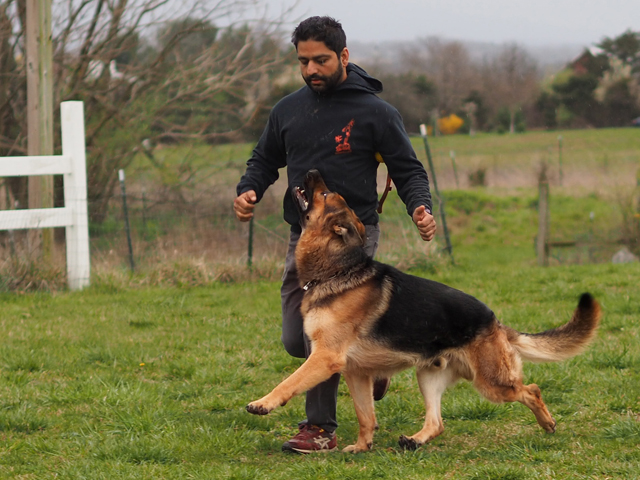
Looking toward the future, Atlas v Nummer-Eins represents the next step in the evolution of our breeding program. Biddable, quick to learn, and naturally attuned to his handler, Atlas possesses the rare ability to sustain drive without becoming chaotic, needing only a few repetitions before becoming proficient in a new exercise. His athleticism is exceptional—an agile dog in a large masculine frame, moving with lightness and fluidity despite his size. Phenotypically, he mirrors his maternal family and carries a striking resemblance to his uncle, reaffirming a timeless truth in breeding: the dog who holds a quality in abundance is the one who passes it on. With Atlas, we see the merging of lineage, structure, and temperament into a young dog who will continue the legacy of clarity, capability, and purpose that Nummer Eins is committed to producing.
Fida: The Next Generation of Purposeful Diversity
Fida, Lupin’s daughter, stands at the intersection of everything the modern GSD needs:
- strong female heritage
- balanced drives
- correct type
- moderate, flowing structure
- proven working clarity
Breeding forward from Fida enables us to:
- preserve the best of the female line
- maintain hybrid vigor within the breed
- avoid the popular-sire dynamic the study warns about
- resist the genetic stagnation seen in both show and working factions
She represents the next phase of a multi-generational plan.

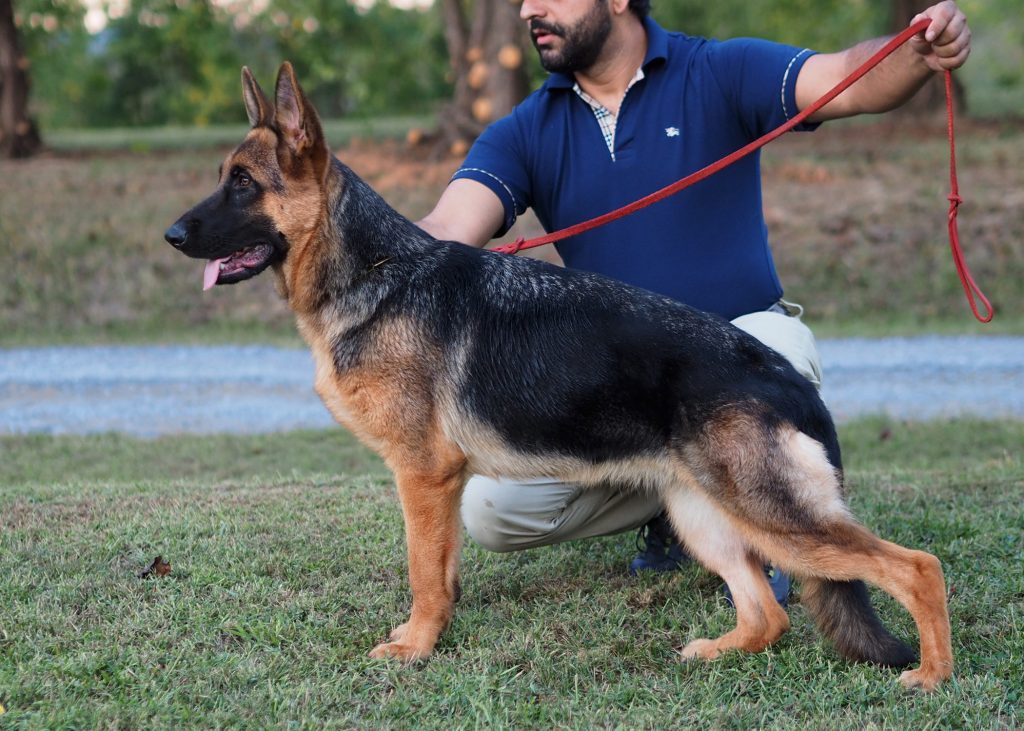
What This Means for Families Seeking a Healthy, Sound German Shepherd
People often ask:
“Why don’t you just breed to the top-winning males of the year?”
The answer is now reinforced by genomic science:
Because that is precisely how the breed got into trouble.
At Nummer Eins, we:
- avoid chasing trends
- do not participate in popular-sire culture
- use outcrosses thoughtfully, not impulsively
- prioritize health, temperament, and structure over fashion
- treat the GSD as one breed, not two battling factions
Our program is designed not to maximize hype but to maximize genetic and structural longevity.
Science Has Finally Caught Up With Common Sense
The Scarsbrook et al. study delivers a simple message:
The German Shepherd declined genetically not because the breed was created, but because it was bred narrowly, fashionably, and politically in the decades afterward.
Our Ucon T-litter, our work through Lupin, and our forward vision through Fida are all parts of a single philosophy:
To preserve the true German Shepherd Dog: moderate, strong, healthy, stable, and capable, by breeding against the bottlenecks that weakened him.
The future of the breed depends on the choices made now.
We choose function, legacy, and diversity, without ever leaving the breed we love.